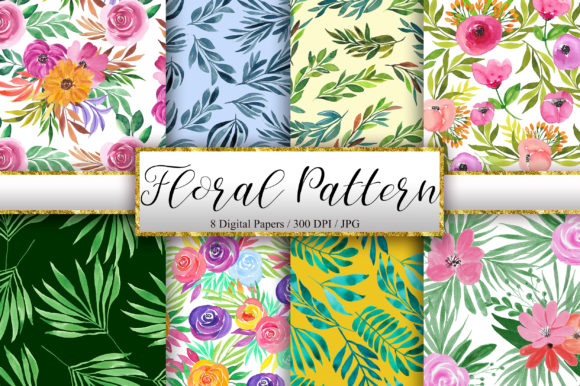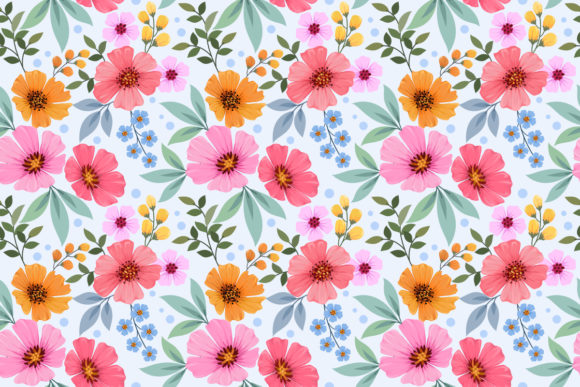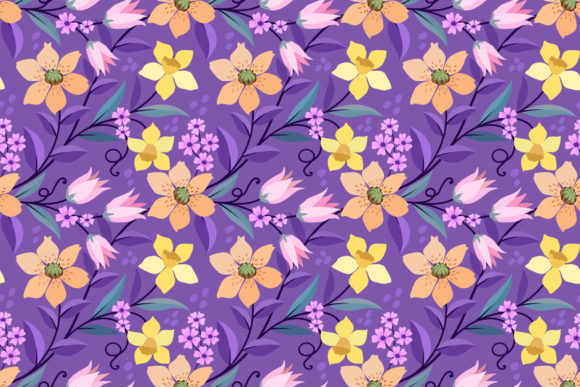
The Enduring Power of the Colorful Floral Pattern in Modern Visual Culture
Few motifs in design history have demonstrated the kind of staying power that the colorful floral pattern commands. From ancient textile traditions to contemporary digital interfaces, floral designs have continually adapted to the aesthetic and functional demands of each era. Today, the resurgence of interest in these vibrant patterns is not a nostalgic retreat into tradition but a calculated response to a cultural climate that craves warmth, optimism, and a tangible connection to the natural world. For professionals working across branding, product design, interior styling, and content creation, understanding the mechanics and meaning behind a well-executed floral pattern has become a quiet competitive advantage.
This article examines the colorful floral pattern not as a decorative afterthought but as a strategic visual asset. The discussion moves beyond surface-level trends to explore how these patterns intersect with changing consumer psychology, advances in production technology, and the growing demand for emotionally intelligent design. What emerges is a picture of a timeless motif that has been re-engineered for a world that values both authenticity and bold self-expression.
Defining the Colorful Floral Pattern in a Contemporary Context
At its most fundamental level, a colorful floral pattern is a repeating or non-repeating arrangement of botanical elements rendered in a palette that emphasizes vibrancy, contrast, and emotional impact. However, this definition barely scratches the surface of what the term encompasses in current practice. Unlike the muted, restrained botanical illustrations of previous centuries, today's colorful floral patterns draw from an expanded vocabulary that includes abstract interpretations, digital manipulation, maximalist layering, and cross-cultural hybridization.
A designer working on a brand identity package might select a colorful floral pattern that references Dutch still-life painting but filters it through a neon, high-saturation lens. An interior designer might specify a wallpaper where oversized peonies and anemones collide in improbable color combinations that defy botanical accuracy in favor of psychological effect. These are not arbitrary decisions. They reflect a sophisticated understanding of how color theory, composition, and cultural memory interact to produce specific viewer responses.
The modern colorful floral pattern operates across multiple registers simultaneously. It can function as a heritage signal, evoking craft traditions and artisanal production. It can serve as a technological showcase, demonstrating the capabilities of advanced digital printing or generative design software. Most importantly, it acts as an emotional conduit, translating the organic irregularity of nature into the structured language of commerce and communication. This multiplicity of roles explains why floral patterns have proven so adaptable across industries and applications that, on the surface, have little in common.
Why the Market Is Paying Renewed Attention
The current prominence of the colorful floral pattern is not accidental. It arrives at the intersection of several converging forces that make emotionally resonant design more valuable than it has been in decades. Understanding these forces helps explain why floral motifs are appearing in unexpected places, from fintech app interfaces to minimalist tech accessories, and why this trend carries more substance than seasonal fashion cycles typically suggest.
The Search for Visual Comfort in an Unstable World
Periods of economic uncertainty and rapid change have historically driven consumers toward design languages that feel stable, familiar, and nurturing. The colorful floral pattern taps directly into this psychological need. Flowers represent cyclical renewal, growth, and the quiet persistence of life regardless of external conditions. When a brand incorporates floral elements into its visual identity, it borrows these associations and projects a sense of grounded optimism that purely geometric or abstract designs struggle to convey.
This dynamic plays out vividly in home décor markets, where floral patterns on textiles, wallcoverings, and ceramics have seen sustained demand growth. Consumers investing in their living spaces during a period of increased remote work have gravitated toward designs that make rooms feel alive and inhabited rather than sterile and transactional. The colorful floral pattern delivers this quality with an efficiency that few other motifs can match.
Maximalism and the Rejection of Design Austerity
For much of the 2010s, minimalist design philosophy dominated both digital and physical product aesthetics. Neutral palettes, generous white space, and reductive forms signaled sophistication and restraint. While minimalism remains influential, a pronounced counter-movement has emerged. Designers and consumers alike are rediscovering the pleasures of abundance, complexity, and sensory richness. The colorful floral pattern stands as one of maximalism's most articulate expressions.
This shift is particularly evident in fashion and accessories. Brands that built their identities on monochromatic simplicity have begun experimenting with bold floral prints as a way to signal evolution without abandoning their core audience. The pattern becomes a statement of confidence, a declaration that the wearer or user is engaged with color and emotion rather than retreating from them. For marketers, this translates into campaigns that feel more human and less algorithmic, a quality that increasingly drives engagement and loyalty metrics.
Digital Fatigue and the Texture of the Real
People spend more hours than ever interacting with screens, and the visual language of those screens has historically been flat, clean, and disembodied. A colorful floral pattern, even when rendered digitally, carries the memory of physical texture. It evokes fabric, paper, paint, and the slight imperfections of handcrafted objects. Designers are leveraging this quality to inject warmth into user interfaces, product photography, and marketing materials that would otherwise feel cold and generic.
The application extends into physical product design as well. Packaging that features a colorful floral pattern communicates tactility before the consumer ever touches it. The pattern suggests that the product inside has been crafted with care, that it belongs to a tradition of thoughtful making rather than mass disposability. In a market where consumers are increasingly skeptical of over-processed brand experiences, this subtle signal carries disproportionate weight.
Practical Applications Across Industries
The versatility of the colorful floral pattern means its relevance extends far beyond the obvious categories of fashion and home décor. Observations from current practice reveal applications that might surprise professionals who have not yet considered the pattern as a serious tool in their own field.
Branding and Visual Identity Systems
Forward-thinking brand strategists have begun incorporating floral elements as secondary or tertiary components of identity systems. Rather than serving as the primary logo, a colorful floral pattern often appears on packaging, website backgrounds, social media templates, or physical retail environments. This approach allows the brand to benefit from the warmth and approachability of the floral motif without compromising the legibility or authority of its core mark.
A notable example appears in the craft beverage industry, where breweries, distilleries, and specialty coffee roasters have used bold floral patterns on can labels, bottle wraps, and bag designs. The pattern communicates small-batch production values and an artisanal sensibility while standing out dramatically on crowded retail shelves. The same principle applies to independent skincare and wellness brands, where floral patterns reinforce associations with botanical ingredients and natural formulations even before the consumer reads the ingredient list.
Digital Product Design and User Experience
User interface designers have begun exploring how a colorful floral pattern can enhance onboarding flows, empty states, and background elements within apps and websites. The key insight is that floral motifs, when used with restraint, can reduce the anxiety that users often feel when encountering a new digital environment. The organic forms of flowers and leaves feel less imposing than geometric shapes and more forgiving than photography, creating a gentler introduction to complex functionality.
This approach has proven especially effective in wellness, meditation, and lifestyle applications, where the emotional state of the user is directly relevant to the product's value proposition. A meditation app that uses a softly animated floral pattern as a background element for its breathing exercises is making a deliberate design choice that supports its core function. The pattern participates in the experience rather than merely decorating it.
Content Creation and Social Media Strategy
Content creators operating across platforms have long understood the stopping power of vibrant visual elements. A colorful floral pattern used as a backdrop for product photography, a frame for text overlays, or a recurring element in a visual content series can become a signature that audiences recognize instantly. The pattern provides visual consistency without requiring the creator to show their face or maintain a physically branded studio environment.
Entrepreneurs and freelancers who sell digital products have found particular value in offering floral-patterned templates, social media graphics, and printable artwork. These products tap into the same psychological drivers that make floral designs appealing in physical goods. A downloadable planner cover featuring a colorful floral pattern sells the promise of organized beauty, combining practical utility with emotional satisfaction in a single purchase decision.
Technology, Production, and Creative Possibility
The relationship between technology and the colorful floral pattern has become a fascinating feedback loop. Advanced production methods have expanded what designers can achieve with floral motifs, while the popularity of those motifs has driven further investment in relevant technologies.
Digital textile printing, for example, has transformed the economics of floral pattern production in fashion and home goods. Designers can now produce small runs of fabric featuring complex, multi-color floral designs without the setup costs that traditional screen printing requires. This capability has lowered the barrier to entry for independent creators and enabled a proliferation of distinctive floral patterns in the market. The same dynamic applies to print-on-demand services that allow entrepreneurs to apply floral designs to everything from phone cases to shower curtains with no inventory risk.
On the creative tools side, software platforms have integrated features specifically useful for pattern designers. Seamless repeat algorithms, colorway previews, and mockup generators reduce the time between a floral pattern concept and its realistic visualization on a product. Generative artificial intelligence tools have added another layer, enabling the rapid exploration of floral pattern variations that would have taken days or weeks to produce manually. The most sophisticated practitioners use these tools not to replace their creative judgment but to expand the range of options they can consider before committing to a final direction.
Cultural Resonance and Global Influence
The colorful floral pattern carries different meanings in different cultural contexts, and the most effective contemporary designs often draw from multiple traditions simultaneously. A pattern inspired by Japanese kimono textiles might use color combinations associated with Mexican embroidery, producing something that feels both specific and universal. This cross-pollination reflects broader trends in globalization and cultural exchange, and it resonates with consumers who see their own hybrid identities reflected in the designs they choose.
Designers working with floral patterns have an opportunity to engage respectfully with textile and craft traditions from around the world. When done thoughtfully, this engagement enriches the pattern with layers of meaning and connects the final product to histories of skilled making that span centuries. When done carelessly, it risks superficial appropriation that savvy consumers increasingly recognize and reject. The difference often lies in whether the designer has done the work to understand the source traditions or has simply extracted visual elements without context.
Integrating Floral Patterns Into a Coherent Strategy
For brands and creators considering how a colorful floral pattern might fit into their work, the most productive approach begins with questions rather than answers. What emotional response does the pattern need to produce? What cultural references does it need to invoke or avoid? How will it interact with typography, photography, and other visual elements in the same system? Answering these questions prevents the pattern from becoming decorative clutter and positions it as an intentional component of a larger communication strategy.
The professionals who use floral patterns most effectively understand that the motif's familiarity is both its greatest strength and its greatest risk. Familiarity can breed comfort, but it can also breed invisibility. The solution lies in specificity. A generic floral design fades into the background of a visually saturated world. A colorful floral pattern with a distinctive point of view, whether through unusual color choices, unexpected scale, or thoughtful cultural references, commands attention and rewards closer inspection.
This principle applies whether the pattern appears on a luxury fashion garment, a software interface, or a freelance consultant's proposal template. The quality of attention and intention invested in the pattern's selection or creation communicates itself to the viewer, often subliminally but consistently. In an era where authenticity has become the most valuable and most elusive brand attribute, designs that feel genuinely considered rather than algorithmically generated carry outsized influence.
The Path Forward
The colorful floral pattern will continue to evolve as technology, culture, and consumer expectations shift. What remains constant is the human need for connection to the natural world and to visual experiences that feel rich, warm, and alive. Designers, entrepreneurs, and marketers who understand this need, and who develop the skills to address it with sophistication and respect, will find floral motifs to be durable assets rather than passing trends.
The most exciting developments in this space will likely come from practitioners who combine deep knowledge of pattern design traditions with fluency in new production and distribution technologies. A colorful floral pattern designed today can reach global audiences through digital marketplaces, be produced on-demand across dozens of product categories, and be customized by end users to suit their specific preferences. This landscape rewards creativity, speed, and cultural awareness, and it offers opportunities that would have been unimaginable even a decade ago.
For professionals watching this space, the signal to watch is not the presence or absence of floral motifs in any given season but the sophistication with which they are deployed. The difference between a pattern that speaks and one that merely decorates has never been more visible, and the market has never been more discerning. In that gap between the generic and the intentional, entire brands and careers are being built.