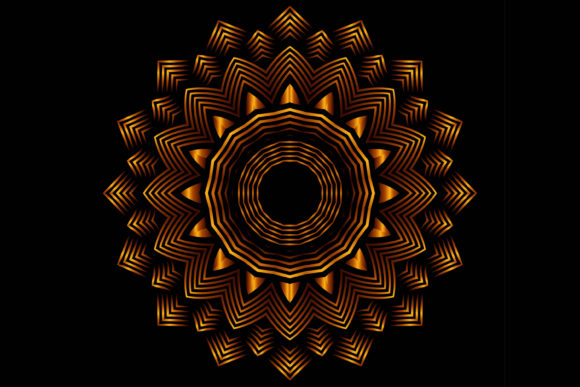
Mandala Pattern Sun Lined with Thorns: Symbolism, Meaning, and Creative Exploration
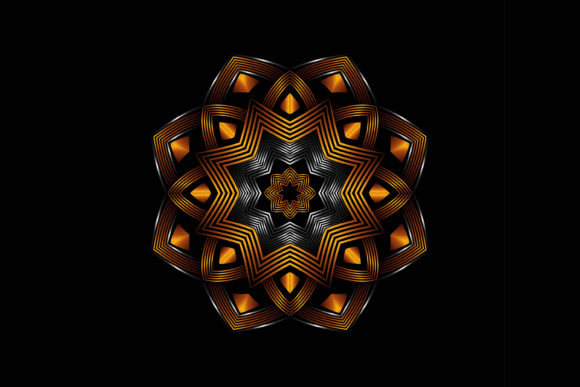
Some images stay with you long after you first see them. A sun rendered in intricate mandala patterns, its edges lined with sharp thorns, is one of those images. It pulls you in with its symmetry and radiance, then unsettles you with its prickly perimeter. This fusion of beauty and discomfort, of sacred geometry and natural defense, makes the mandala pattern sun lined with thorns a deeply compelling subject — one that spans art, spirituality, psychology, and modern design. In this article, we will explore what this symbol represents, where it comes from, how it is created, and why it resonates so strongly with people today.
Understanding the Core Elements: Mandala, Sun, and Thorns
To grasp the full meaning of a mandala sun bordered by thorns, it helps to break the image down into its three essential components. Each carries centuries of cultural and symbolic weight. When combined, they create a visual statement that is far greater than the sum of its parts.
The Mandala: A Map of Wholeness
The word mandala comes from Sanskrit, loosely translating to "circle" or "center." In Hindu and Buddhist traditions, mandalas serve as spiritual diagrams — geometric configurations of symbols that represent the universe, the self, and the path toward enlightenment. A mandala draws the eye inward from its outer edges toward a central point, mirroring the journey of meditation and self-discovery.
But mandalas are not exclusively Eastern. Circular, radially symmetric patterns appear across virtually every human culture. Rose windows in Gothic cathedrals, Native American medicine wheels, Celtic knotwork, and even the spiral patterns found in nature — from sunflower heads to galaxies — all reflect the same underlying principle. The circle represents unity, completeness, and the cyclical nature of existence.
Swiss psychiatrist Carl Jung famously incorporated mandala drawing into his therapeutic work. He observed that patients spontaneously created circular designs during periods of psychological integration. Jung viewed the mandala as an archetype of wholeness — a visual expression of the self that emerges when the conscious and unconscious minds move toward balance.
The Sun: Life-Giving Radiance
Across mythologies and civilizations, the sun stands as the ultimate symbol of vitality, power, clarity, and illumination. Ancient Egyptians worshiped Ra, the sun god who sailed across the sky each day. The Aztecs offered sacrifices to sustain Huitzilopochtli, their solar deity. In Japanese tradition, Amaterasu embodies the sun's nurturing and sovereign qualities.
Psychologically, the sun represents consciousness itself — the light of awareness that dispels the darkness of ignorance and fear. When we say someone "brings sunshine" into a room, we acknowledge a warmth and energy that others can feel. Artistically, the sun can be depicted as a simple yellow circle, a complex geometric burst, or — in the case of our topic — as a mandala, with each ray representing a different facet of life, thought, or spiritual energy.
Thorns: Protection, Sacrifice, and Resilience
Thorns are nature's defense mechanism. A rose bush does not grow thorns to harm; it grows them to survive. This makes thorns a powerful metaphor for boundaries, self-protection, and the price of beauty. In religious iconography, the crown of thorns worn by Christ represents suffering, sacrifice, and the burdens carried willingly for a greater purpose. In literature and art, thorns frequently appear alongside flowers to remind us that love, growth, and transformation often involve pain.
Thorns also suggest resilience. A plant that produces thorns adapts to harsh environments, conserving resources and deterring threats. When we place thorns along the edges of a radiant sun mandala, we introduce tension — a visual and symbolic contrast that invites deeper reflection.
The Combined Symbolism: Why Thorns Lining a Sun Mandala Matters
Now imagine placing these three elements together. A mandala sun lined with thorns is not simply decorative. It communicates a layered message: wholeness and radiance are real, but they are not unprotected or without cost.
This symbol speaks to anyone who has experienced personal growth through difficulty. The sun at the center represents your authentic self — bright, creative, and full of potential. The mandala pattern reflects the order you strive to create in your life, the balance you seek between different roles and responsibilities. The thorns encircling the edge remind you that boundaries are necessary, that past pain has shaped you, and that protecting your inner light is not optional — it is essential.
For some, the image evokes the idea of guarded optimism. You may radiate warmth and openness, but you retain the wisdom to recognize when to protect yourself. For others, it represents the creative process itself — the artist who pours their energy into a beautiful work (the sun) while navigating criticism, rejection, and self-doubt (the thorns).
Historical and Cultural Roots of Thorned Sun Imagery
While the specific phrase "mandala pattern sun lined with thorns" is modern, the visual language it draws upon is ancient. Understanding these roots enriches our appreciation of the symbol.
Solar Deities and Their Dual Nature
Many cultures recognized that the sun, while life-giving, could also destroy. The relentless desert sun withers crops and punishes the unprotected traveler. Egyptian Ra was both creator and destroyer. The Greek Apollo brought healing and plague alike. This duality — benevolence paired with danger — naturally aligns with the sun-and-thorns motif. The thorns acknowledge the sun's power to harm as well as to nurture.
The Crown of Thorns in Christian Art
Medieval and Renaissance artists frequently depicted Christ with a halo that merged solar imagery with the crown of thorns. In illuminated manuscripts and stained glass, the sacred heart of Jesus sometimes appears surrounded by both rays of light and a thorny wreath. These visual traditions inform the modern interpretation of a radiant center encircled by sharp points.
Protective Circles in Folk Traditions
Slavic and Nordic folk art often uses circular motifs bordered by sharp geometric shapes to ward off evil spirits. The idea that a beautiful, symmetrical design can also serve a protective function is deeply ingrained in human culture. The thorns are not merely decorative; they are functional — they guard the sacred space within.
Creating Your Own Mandala Pattern Sun Lined with Thorns
One of the most rewarding aspects of this symbol is that you do not need to be a professional artist to engage with it. Drawing or coloring a mandala sun with thorned edges can be a meditative practice in itself.
Step-by-Step Creative Process
Here is a simple approach you can follow to create your own version, whether on paper or digitally:
- Start with the center point. Place a small dot or circle in the middle of your canvas. This is your sun's core — the seed from which everything grows. Take a moment to focus on this point. Some people use a short breathing exercise here to center themselves.
- Build concentric rings outward. Using a compass or digital guides, draw several evenly spaced circles radiating from the center. These rings will form the scaffolding for your mandala pattern. Traditional mandalas often use four, six, or eight divisions, but you can choose any number that feels right.
- Add geometric and organic patterns. Within each ring, start adding repeating shapes — petals, triangles, dots, waves, or diamonds. Work symmetrically, rotating your design around the center. This repetition is where the meditative quality of mandala creation truly emerges. Your mind quiets as your hand repeats familiar motions.
- Shape the sun rays. Extend outward from the outermost ring to create the sun's rays. These can be straight, wavy, or flame-like. This is where you establish the solar identity of your mandala.
- Add the thorn border. Along the very edge, draw sharp, curved, or angular thorns pointing outward. They can be simple triangles or more detailed, barbed shapes. Position them evenly or cluster them in groups. The contrast between the flowing interior and the prickly exterior creates the visual tension that defines this symbol.
- Ink and color with intention. Once your pencil sketch is complete, go over it with ink or deepen your digital lines. Choose colors that resonate with your emotional intent — warm golds and oranges for vitality, cooler tones for a more contemplative feel, or deep reds and blacks for the thorns to emphasize their protective severity.
Digital Tools and Resources
If you prefer working digitally, applications like Procreate, Adobe Illustrator, or free alternatives like Krita and Inkscape offer symmetry and mandala tools that can dramatically speed up the process. Many digital artists sell or share mandala templates, some of which incorporate sun and thorn elements. Searching for "mandala sun SVG" or "thorned mandala design" can provide starting points for your own explorations.
Psychological and Therapeutic Dimensions
The act of creating or simply observing a mandala pattern sun lined with thorns can have measurable psychological benefits. Art therapists frequently use mandala-based exercises to help clients process complex emotions that are difficult to verbalize.
When a person draws a sun with protective thorns, they may be externalizing a feeling they have not yet fully recognized — perhaps a need for stronger personal boundaries, or an acknowledgment that their warmth has been taken advantage of in the past. The completed image becomes a visual affirmation. It says: I can shine brightly and still protect myself. My radiance does not require me to be defenseless.
Research into mandala coloring has shown it can reduce anxiety more effectively than free-form coloring or blank-page drawing. The structured, symmetrical nature of mandalas provides a calming framework that frees the mind from decision fatigue. Adding the thorn element introduces a subtle narrative — a story of resilience — that can deepen the reflective experience.
Modern Applications in Design, Fashion, and Tattooing
The mandala sun with thorns has found a notable presence in contemporary visual culture. Its blend of sacred geometry and edgy symbolism makes it versatile across multiple domains.
Tattoo Art
Tattoo artists frequently receive requests for mandala sun designs, and the addition of thorns has become an increasingly popular variation. Clients often choose this motif to mark a period of personal transformation — surviving an illness, leaving a toxic relationship, or overcoming addiction. The placement of the tattoo also matters. A mandala sun on the chest, close to the heart, suggests an inner light guarded by experience. On the forearm or hand, it becomes a visible statement of identity and resilience.
Home Decor and Textiles
From tapestries to throw pillows, the mandala sun with thorns appears in bohemian, gothic, and eclectic interior design styles. The pattern lends itself well to laser-cut wood wall art, where the negative spaces between thorns create dramatic shadow effects when lit. Fabric printing services allow independent artists to place these designs on clothing, bags, and blankets, turning a personal symbol into a wearable or usable piece of art.
Logo and Brand Identity
Small businesses in wellness, coaching, and creative fields sometimes adopt a stylized mandala sun with thorns as part of their visual identity. The symbol communicates several brand values at once: enlightenment, structure, protection, and authenticity. A life coach, for example, might use it to suggest that they help clients find their inner light while establishing healthy boundaries. A jewelry maker might incorporate it to hint at the beauty and edge present in their handcrafted pieces.
Common Misunderstandings About the Symbol
As with any visually striking symbol, the mandala pattern sun lined with thorns can be misinterpreted. Addressing these misunderstandings helps clarify its meaning and prevents superficial readings.
Misunderstanding 1: The thorns represent aggression or danger. Some viewers assume that thorns inherently signal threat or malevolence. In reality, thorns in this context are defensive, not offensive. They point outward, protecting the sun rather than attacking anything else. The symbol is about guarded radiance, not hostility.
Misunderstanding 2: It is exclusively religious. While the mandala has strong ties to Hindu and Buddhist practice and the crown of thorns connects to Christianity, the combined symbol is broadly accessible to secular audiences. Many people engage with it purely for its aesthetic and psychological resonance, without any religious affiliation.
Misunderstanding 3: It is a negative or pessimistic image. On the contrary, the symbol is deeply optimistic. The sun still shines. The mandala still draws the eye inward. The thorns do not diminish the light; they simply acknowledge that light exists in a world where protection is sometimes necessary. This is realism, not pessimism.
How to Interpret the Symbol in Your Own Life
Symbols gain their richest meanings through personal connection. If you feel drawn to the image of a mandala pattern sun lined with thorns, ask yourself a few reflective questions:
- What part of my life feels like the radiant sun — something I want to share with the world?
- Where have I experienced thorns — painful lessons or necessary boundaries that now serve as protection?
- Am I currently in a season of growth where both light and defense are needed?
- How do I balance openness with self-preservation in my relationships and work?
Journaling about these questions, or creating art in response to them, can turn a passive appreciation of the symbol into an active tool for self-awareness. The mandala sun with thorns becomes not just a picture you admire, but a mirror reflecting your own journey toward integrated wholeness.
Conclusion: A Symbol for Our Complex Times
The mandala pattern sun lined with thorns endures because it refuses to simplify the human experience. It does not offer unblemished cheerfulness, nor does it wallow in darkness. It holds both. The sun pulses with life and creativity at the center. The mandala brings order, repetition, and meditative calm. The thorns stand guard at the perimeter, a quiet reminder that boundaries are not barriers to love — they are prerequisites for sustainable giving.
Whether you encounter this image in a tattoo studio, on a canvas, in a coloring book, or in your own sketchpad, take a moment to sit with its layered message. Let it remind you that you can be warm and strong simultaneously, radiant and protected, open and wise. In a world that often demands we choose between niceness and toughness, the mandala sun lined with thorns insists we can — and perhaps must — embody both.